Rising Energy Costs and CO2 Pricing: What Agents Need to Know
The impact of CO2 pricing on the real estate market: Energy efficiency, renewable energy, and technology solutions for real estate professionals.
Introduction
In recent years, rising energy costs and the introduction of CO2 pricing in many countries have significantly shaped the discussion around sustainable energy and its impact on tenants and landlords. These topics are particularly relevant for entrepreneurs operating in the real estate industry. The challenges arising from higher energy costs, combined with new regulatory frameworks created by CO2 pricing, represent a significant hurdle that demands both strategic thinking and innovative solutions.
In this article, we explore the various aspects of CO2 pricing, its effects on tenants and landlords, and the future of feed-in tariffs for solar energy. We also examine technological solutions that real estate companies can use to effectively address the challenges in the energy market.
Background of CO2 Pricing
CO2 pricing is an instrument designed to reduce greenhouse gas emissions by introducing costs for emitting these gases. In many countries, this is achieved through a carbon tax or an emissions trading system. These measures aim to create incentives for developing and adopting lower-emission technologies. Carbon pricing has direct implications for various sectors, particularly energy generation, transportation, and real estate.
In Germany, for example, CO2 pricing was introduced in 2021, initially at 25 euros per ton of CO2. This price is being gradually increased to create a clear economic lever for reducing emissions. Entrepreneurs in the real estate sector must now contend with the financial impact of this pricing, as rising costs for fossil fuels directly affect the operating costs of properties.
Current Developments in Energy Costs
Energy costs have risen sharply in recent years due to global market shifts, geopolitical tensions, and increasing strain on the power grid from renewable energy sources. The war in Ukraine, for instance, led to significant price fluctuations in natural gas and oil. This volatility has presented major challenges for both individuals and businesses.
For property owners and managers, it is essential to continuously monitor energy cost trends and take appropriate measures to control expenses. Implementing energy efficiency measures, switching to renewable energy sources, and adopting smart technologies can help reduce energy costs while simultaneously lowering environmental impact.
Increase in the CO2 Levy
The increase in the CO2 levy has immediate effects on both tenants and landlords. Tenants face higher utility costs resulting from increased energy prices, while landlords must manage the challenge of keeping their properties attractive while simultaneously dealing with rising maintenance costs.
One of the biggest challenges for landlords is the need to retrofit their existing properties for energy efficiency. This often requires substantial investments that cannot always be immediately offset by higher rents. Compliance with new CO2 regulations and the energy-efficient renovation of existing properties will become central issues for landlords in the coming years.
Impact on Tenants
Tenants feel the pressure of rising energy costs and CO2 pricing directly in their monthly expenses. Increasing heating costs and higher utility bills can put many households in financial difficulty. This is particularly problematic for lower-income tenants, who often lack the financial resources to invest in energy-efficient solutions.
Additionally, uncertainty about future cost increases can lead to reduced demand in the rental market. Tenants may increasingly seek apartments that already meet modern energy efficiency standards or are equipped with renewable energy systems. This changes the dynamics of the property market and requires landlords to adapt their strategies to remain competitive.
Impact on Landlords
Landlords face the challenge of not only managing rising costs but also maintaining the attractiveness of their properties. A key factor will be investing in energy-efficient retrofits and sustainable solutions to meet the requirements of CO2 pricing. While these investments may be costly upfront, they offer long-term savings through reduced operating costs and the ability to charge higher rents for energy-efficient properties.
Another important point is communication with tenants. Landlords must proactively inform tenants about their efforts to improve energy efficiency and may also need to offer support to help tenants reduce their energy costs. Trust between landlords and tenants can be decisive in ensuring positive tenant retention and avoiding vacancies.
Strategies for Landlords to Minimize Costs
To minimize the impact of CO2 pricing and rising energy costs, landlords should consider several strategies. First, investing in energy-efficient technologies such as modern heating systems, thermal insulation, and efficient windows is essential. These investments can not only reduce energy costs but also increase property values.
Additionally, landlords should take advantage of grants and subsidies offered by government or local authorities to reduce the costs of energy-efficient retrofits. Another strategy could be implementing smart home technologies that allow tenants to better manage and optimize their energy consumption. Such technologies not only promote energy savings but also improve quality of life.
The Future of Feed-in Tariffs for Solar Energy
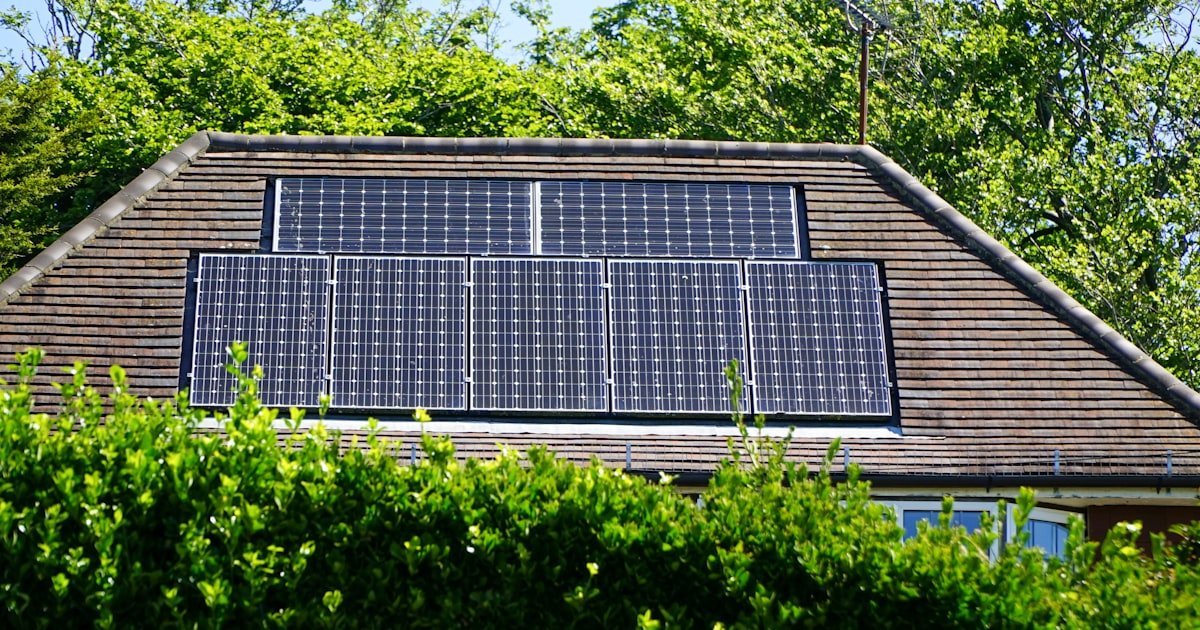
Feed-in tariffs for solar energy have established themselves as an important instrument for promoting renewable energy in recent years. This compensation, paid to operators of photovoltaic systems, reimburses them for electricity fed into the grid. With rising energy costs, solar energy is becoming increasingly attractive. However, legislative changes can affect feed-in tariffs on an ongoing basis.
In Germany, the Renewable Energy Act (EEG) has adjusted feed-in tariffs multiple times in recent years. Tariff rates are generally degressive, meaning the compensation decreases as installed capacity grows. For entrepreneurs looking to invest in photovoltaic systems, it is important to understand these regulations and choose the optimal timing for investments.
Current Regulations and Changes
Current feed-in tariff regulations are closely tied to political goals for reducing CO2 emissions. Updates to the EEG aim to accelerate the installation of renewable energy systems while advancing the expansion of solar power. Entrepreneurs should familiarize themselves with current tariff rates and regulations for PV system installation to maximize the financial return on their investments.
Another important aspect is the option to self-consume the electricity produced rather than feeding it into the grid. This can offer clear economic advantages, as businesses can significantly reduce their energy costs by using self-generated power. Self-consumption strategies are particularly beneficial during times of rising energy costs and volatile market prices.
Key Considerations for Photovoltaic System Operators
Operators of photovoltaic systems must consider a variety of factors to be successful. Selecting the right location, choosing the appropriate technology, and accounting for maintenance costs are all critical for the profitability of a PV system. Additionally, meeting the technical requirements for feed-in tariffs is important to ensure that compensation is paid promptly and efficiently.
Furthermore, operators should also consider the possibilities of combining photovoltaic systems with other renewable energy sources or energy storage systems. These combinations can increase the flexibility and independence of the energy supply and help improve the return on investment.
Market Opportunities for Real Estate Companies
The challenges posed by rising energy costs and CO2 pricing also present numerous market opportunities for real estate companies. An increasingly conscious approach to energy and sustainability is driving growing demand for environmentally friendly construction projects and modern properties. Companies that respond early to these trends and integrate sustainable practices into their business models can secure a competitive advantage.
Furthermore, real estate companies can not only reduce their operating costs by implementing sustainable solutions and renewable energy but also increase their market attractiveness. These approaches can contribute both to meeting regulatory requirements and to building a positive image that appeals to environmentally conscious tenants.
Technology Solutions for Addressing the Challenges
To address the challenges of rising energy costs and CO2 pricing, technology solutions are essential. Digitalization plays a decisive role, with modern software solutions and digital tools significantly boosting efficiency in property management. Implementing real estate software enables companies to optimize their processes and use resources more efficiently.
By deploying real estate CRM systems, companies can improve their client relationships and optimize communication with tenants. These systems help analyze data and make decisions based on current market trends and tenant feedback, leading to increased operational efficiency and cost savings.
Deploying Real Estate Software
Real estate software can help companies automate and streamline their sales and rental processes. These tools offer features such as property management, documentation, and communication with tenants and prospects. Additionally, they can provide analytics and reports that contribute to identifying market opportunities and evaluating property performance.
Integrating such software solutions into daily operations can boost efficiency and reduce administrative overhead. For entrepreneurs in the real estate sector, engaging with these technologies is essential to remaining competitive.
Benefits of Real Estate CRM for Efficiency
A real estate CRM system offers numerous benefits that contribute to greater efficiency in property management. By centrally managing client data and interactions, companies can respond to inquiries faster and build personalized relationships with tenants. It also enables targeted communication and marketing strategies tailored to the needs of the target audience.
Automating routine tasks such as rental management or report generation can deliver significant time and cost savings. Overall, using a real estate CRM helps optimize business processes and increase tenant satisfaction.
Integrating Real Estate Software into Business Processes
Integrating real estate software into business processes should be carefully planned to ensure maximum efficiency. It is important to ensure that all employees are trained in using the software and that the systems communicate seamlessly with each other. A phased implementation can help identify and resolve potential issues early.
Furthermore, the software should be continuously updated to ensure the latest features and security standards. Regular review of software performance and adaptation to new market conditions are essential to maximizing the value of the technology and securing long-term business success.
Conclusion
In summary, rising energy costs and CO2 pricing represent significant challenges for entrepreneurs in the real estate sector. Adapting to these new conditions requires a strategic approach that encompasses both investments in sustainable technologies and clear communication with tenants. Integrating innovative software solutions can help optimize processes and increase efficiency.
The future, however, also presents numerous opportunities for companies willing to adapt to the changes and integrate sustainable practices into their business models. With a proactive approach and the use of available technologies, real estate entrepreneurs can not only meet current challenges but also strengthen their market position and benefit from industry trends.
FAQ
What is CO2 pricing?
CO2 pricing is an economic instrument for reducing greenhouse gas emissions. It requires companies to pay a fee for every ton of CO2 they emit, creating incentives for more environmentally friendly technologies.
How do rising energy costs affect tenants?
Rising energy costs lead to higher utility bills for tenants, increasing their financial burden. This is particularly problematic for lower-income households and can drive demand for energy-efficient apartments.
What strategies can landlords use to minimize costs?
Landlords can invest in energy-efficient technologies, utilize government subsidies, and implement smart home technologies to reduce energy costs and increase the attractiveness of their properties.
How does the feed-in tariff for solar energy affect real estate companies?
The feed-in tariff offers real estate companies the opportunity to generate revenue from renewable energy and reduce operating costs by self-consuming the electricity they produce.
What technology solutions can real estate companies use?
Real estate companies can deploy software solutions such as real estate management software and CRM systems to increase efficiency, automate processes, and improve communication with tenants.
nuimmo Team
9 April 2025
Try modern property software?
Get started for free with nuimmo — no credit card required.
Get started free