Age-Appropriate Housing: A Growing Market
The market for senior-friendly housing is booming. An overview of accessibility, shared living communities, and technology integration.
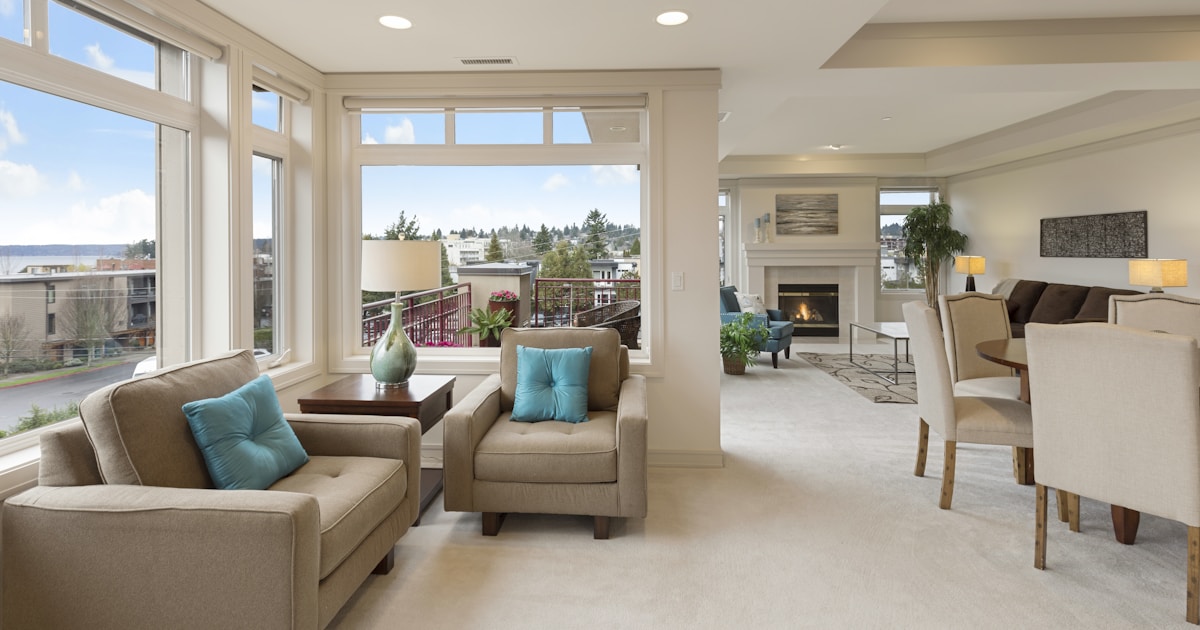
In today’s society, the number of senior citizens is steadily increasing, leading to significant changes in the real estate market. Age-appropriate housing is increasingly recognized as a vital segment that addresses the specific needs and requirements of the elderly population. This trend calls for a thorough understanding of demographic developments, the needs of seniors, and the available housing concepts that meet these demands.
Seniors as a Target Group in the Real Estate Market
Demographic Trends and Their Impact
Demographic trends across many countries show a continuous growth in the elderly population. The demographic shift — particularly the expansion of the 65+ generation — has profound implications for the real estate market. Statistics indicate that by 2030, roughly one in four Europeans will be over 65 years old. These changes demand innovative housing concepts that address not only physical safety but also the social and emotional needs of this age group.
Another aspect of this demographic shift is the increasing diversity within the senior population. Depending on their life circumstances, financial situation, and personal preferences, their needs vary considerably. It is therefore essential for property developers and landlords to understand these differences and offer tailored solutions to meet the needs of this diverse group.
Needs and Expectations of Seniors
Seniors have specific expectations for their living arrangements, ranging from accessibility to social interaction. Safety is one of their primary concerns, with many preferring to live in homes that are free from steps and other physical barriers. In addition, many value good connections to public transport and proximity to healthcare facilities, shopping options, and leisure activities.
Another key need is the opportunity for social interaction. Loneliness is a common issue among older people, which is why communal living arrangements that foster social connections are becoming increasingly popular. Programs and activities that encourage interaction among residents play a crucial role in creating an attractive living environment.
Age-Appropriate Housing Concepts
Barrier-Free Living
Barrier-free living is a central component of age-appropriate housing. It refers to housing solutions that enable people with limited mobility to use their homes independently. This includes structural measures such as wide doorways, level-access showers, non-slip flooring, and overall planning that ensures freedom of movement.
In many cities, new buildings are now being planned with a focus on accessibility. Additionally, there are numerous existing properties that can be made suitable for seniors through renovations and modifications. This allows older people to remain in their familiar neighborhoods, improving both social integration and quality of life.
Communal Living
Communal living is another concept that has gained significant traction in recent years. This housing model encourages seniors to live together in communities supported by shared facilities such as kitchens, common rooms, and gardens. By creating a supportive environment, seniors can maintain their independence while also building and nurturing social connections.
Models such as senior shared apartments or multigenerational houses offer an attractive alternative to conventional housing. They promote an active lifestyle and help prevent isolation. Residents can also provide mutual support, bringing both emotional and practical benefits.
Technology Solutions for Seniors
Technology plays an increasingly important role in age-appropriate housing. Smart home solutions — such as automated lighting systems, alarm systems, and voice controls — offer safety and comfort for seniors. These technologies enable them to manage their daily routines more easily and securely.
In addition, there are numerous applications that can help seniors manage their health data or contact caregivers. Telemedicine and online consultations provide additional opportunities to access medical services conveniently from home.
Legal Framework
Building Regulations and Permits
Before an age-appropriate housing project can be implemented, the relevant building regulations and permits must be observed. These regulations are crucial to ensure that the planned housing meets the legal requirements for safety and accessibility.
In many regions, specific regulations govern the construction of senior residences and barrier-free apartments. These regulations can vary from country to country, making it important to research them in advance to avoid potential legal hurdles.
Funding Opportunities and Financial Support
Various funding programs and financial support schemes are available for the development of age-appropriate housing projects. These are offered by both government institutions and private foundations and can significantly reduce the costs of construction and renovation.
Targeted research into funding programs specifically available for age-appropriate housing is essential. These programs can not only provide financial relief but also help realize innovative housing concepts that improve the quality of life for seniors.
How Real Estate Agents Can Target This Audience
Using Real Estate Software to Identify Target Groups
Real estate agents face the challenge of marketing their services specifically to seniors. Using specialized real estate software makes it possible to identify relevant target groups and better understand their needs. This software can help analyze data on neighborhoods, demographic trends, and senior housing projects.
By analyzing this data, agents can develop tailored offers precisely suited to the needs of the elderly population. For example, they can launch targeted marketing campaigns focused on barrier-free apartments or communal living options.
The Role of Real Estate Agents and CRM Software
Real estate agents play a crucial role in marketing age-appropriate housing projects. They are responsible not only for selling or renting properties but also for advising and supporting seniors throughout their housing journey. A well-functioning CRM system (Customer Relationship Management) can help manage interactions with potential clients effectively.
A CRM system allows agents to store client information and develop personalized communication strategies. Through targeted outreach and regular follow-ups, agents can build trustful relationships with their clients — something that is particularly important for seniors.
Client Engagement and Retention Strategies in Property Management
Reaching seniors requires specific strategies tailored to the needs and preferences of this target group. Marketing materials should be clearly and attractively designed to capture the interest of seniors. It is advisable to highlight information about age-appropriate housing options and the advantages of this lifestyle.
Additionally, events or information evenings can be organized to advise and educate seniors and their families. These personal interactions are crucial for building trust and strengthening relationships with potential clients.
Effective Property Management for Age-Appropriate Housing Projects
Effective property management is essential to ensure the quality of age-appropriate housing projects. This includes not only building maintenance but also creating a positive living environment that meets the needs of seniors. Regular feedback sessions with residents can provide valuable insights for making improvements.
Furthermore, property management should promote social activities and events to strengthen the community among residents. This not only contributes to the satisfaction of seniors but can also enhance the attractiveness of the housing project for potential new residents.
Conclusion
Age-appropriate housing represents an important response to the demographic changes in our society. The needs and wishes of the elderly population require innovative concepts that promote safety, community, and quality of life. Real estate agents must adapt to these developments and implement appropriate strategies to target seniors effectively and offer them the housing options they need.
FAQs
What is age-appropriate housing?
Age-appropriate housing refers to housing concepts specifically designed to meet the needs of older people. This includes barrier-free apartments, communal living arrangements, and the integration of technologies that make everyday life easier.
What are the benefits of communal living for seniors?
Communal living promotes social interaction, provides support from neighbors, and contributes to the emotional security of residents. It reduces the risk of loneliness and fosters an active and fulfilling life in older age.
What legal aspects need to be considered when building age-appropriate housing?
When building age-appropriate housing, building regulations and permits must be observed to ensure that properties meet the legal requirements for accessibility and safety.
How can real estate agents effectively reach seniors?
Real estate agents can reach seniors through targeted marketing strategies, tailored services, and the use of CRM systems that enable personalized communication.
Are there funding opportunities for age-appropriate housing projects?
Yes, various funding programs and financial support options are available specifically for the construction and renovation of age-appropriate housing projects. These may be offered by government agencies or private institutions.
nuimmo Team
30 November 2024
Try modern property software?
Get started for free with nuimmo — no credit card required.
Get started free